Fire Doors
Installation, inspection and maintenance of certified fire doors to protect escape routes and maintain fire compartmentation.
Request a QuoteCertified Installers
Installed and maintained by fully certified fire safety engineers to ensure every fire door meets current legal standards.
Compliance Focus
All installations follow the latest British Standards and building regulations, ensuring long-term safety and full regulatory compliance.
Ongoing Support
Regular servicing and inspection options available to keep fire doors safe, compliant, and functioning as intended.
Accredetations


Expert Fire Door Installation
Why Fire Doors Matter
Elite-Standard Fire Door Installation , Maintenance & Testing
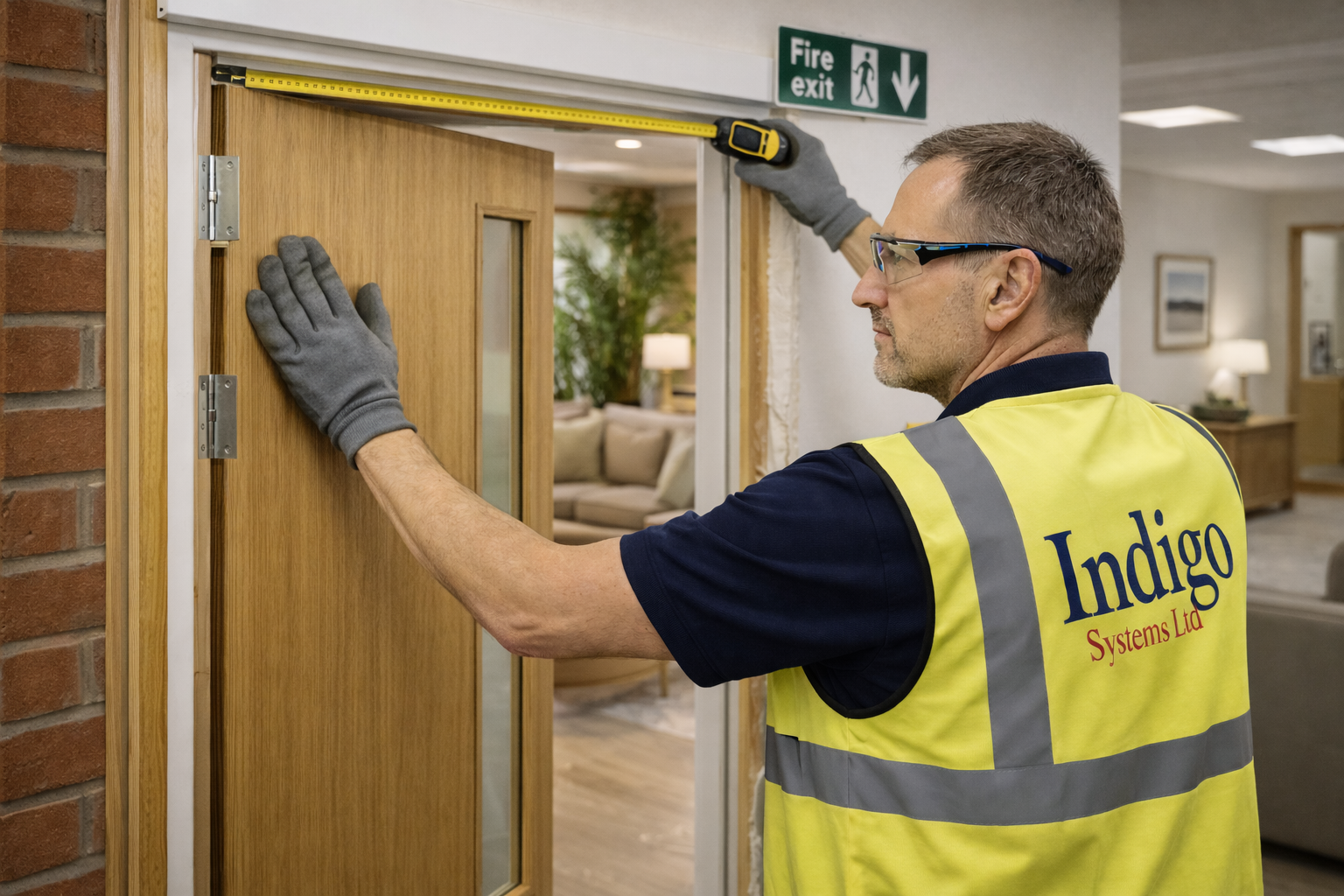
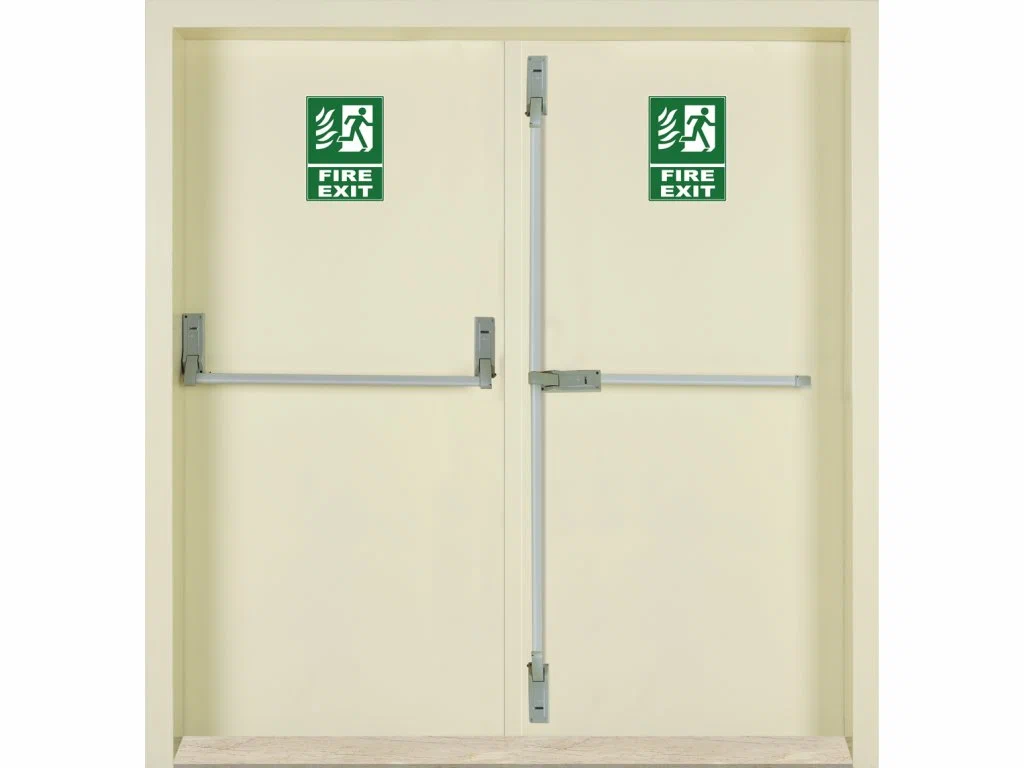
Our complete fire door service covers surveying, installation, testing and ongoing compliance. Every stage is handled by certified professionals to guarantee safety, performance and full legal compliance.
FAQs
Do fire doors need regular maintenance?
Yes. Wear and tear can affect seals, closers, hinges and alignment. Regular maintenance ensures continued compliance, proper operation and full fire protection performance.
How much does a fire door installation cost?
Costs vary depending on door type, rating (FD30 / FD60), hardware requirements and building layout. We provide clear, itemised quotations following a site survey.
How can I tell if my fire door is compliant?
Check for:
- A valid certification label or plug
- Correct gaps (2–4 mm)
- Working self-closer
- Intact intumescent and smoke seals
- Certified hinges and hardware
- If any part is missing or damaged, the door may fail compliance.
Can you paint or varnish a fire door?
Yes — as long as approved paint or varnish is used and the door’s certification label, seals and hardware remain untouched. Improper painting can compromise compliance.
Are fire doors required to have self-closing devices?
Most fire doors must have a working self-closer. This ensures the door closes automatically during a fire, maintaining compartmentation and protecting escape routes.
Do fire doors need intumescent strips?
Yes. Intumescent strips expand in heat to seal gaps around the door, preventing fire and smoke spread. Missing or damaged strips can invalidate the door’s performance.
What is the difference between FD30 and FD60 fire doors?
FD ratings refer to how long a fire door can withstand fire.
- FD30 = 30 minutes
- FD60 = 60 minutes
- Higher-rated doors provide extended protection for more critical areas.
How often should fire doors be inspected?
Commercial and residential buildings typically require fire door inspections every 6 or 12 months, depending on the building type and traffic levels. High-use doors may need more frequent checks.
Where should fire doors be installed?
Fire doors should be installed in areas that help contain fire and smoke, such as stairwells, corridors, compartment lines, plant rooms, escape routes and between high-risk rooms and communal areas.
Do you need a certificate to install fire doors?
Yes. Fire doors must be installed by a certified professional to ensure they meet UK fire safety regulations. Proper installation guarantees correct clearances, hardware, seals and overall performance in the event of a fire.
More related Services



Not Sure If We Cover Your Area?
If your location is not listed above, please contact us. Our team will confirm coverage and advise on availability for your project or maintenance requirements across London and the South East.
About us
