Skip to content
Fire Doors

Fire Doors

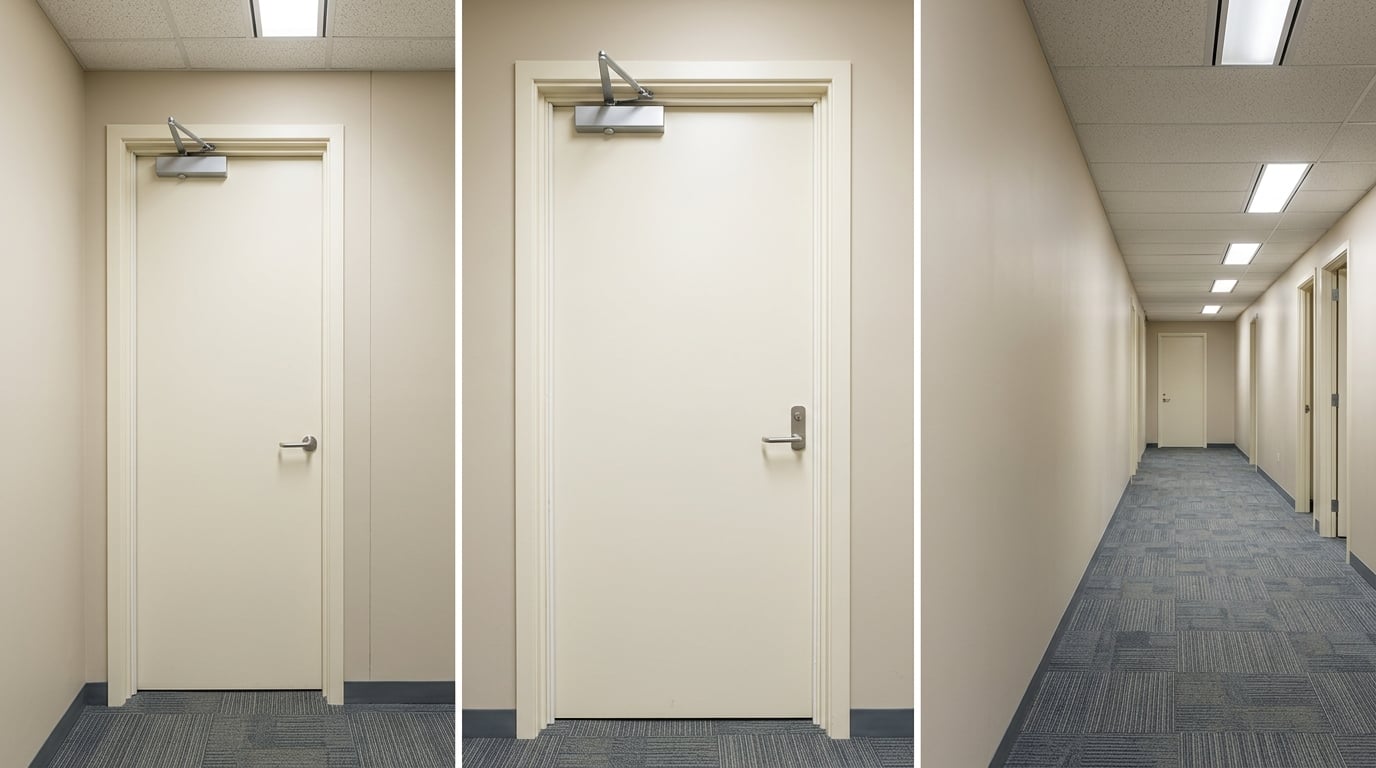
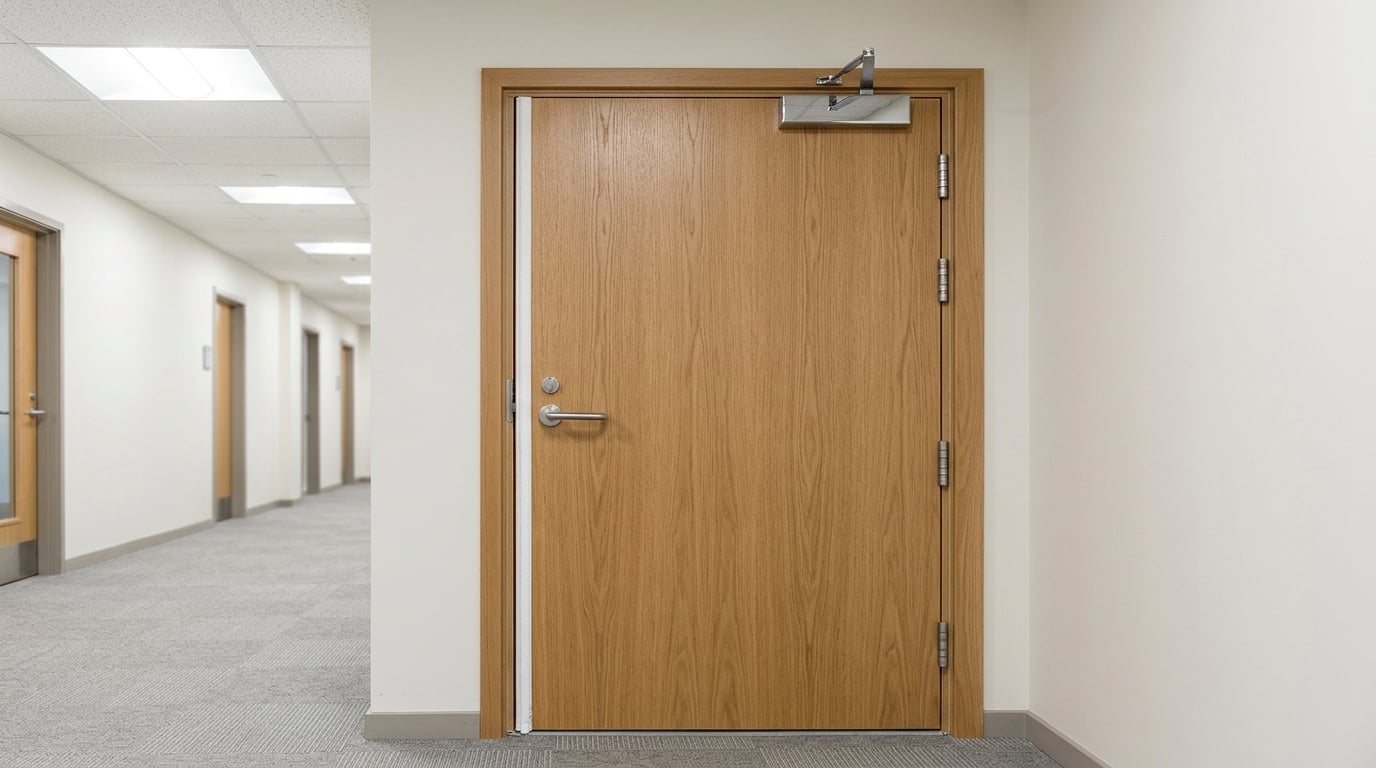
Installation, inspection and maintenance of certified fire doors that protect escape routes and maintain vital fire compartmentation.

Certified Installers

Certified Installers

Fully certified fire safety engineers working to current legal standards.

Compliance Focus

Compliance Focus

Every installation meets the latest British Standards and building regulations.

Ongoing Support

Ongoing Support

Regular servicing and inspection options to keep doors compliant.

Standards & Accreditations

Delivered to recognised industry standards

BS 8214 BM TRADA CHAS ConstructionLine Gold

Fire Door Installation, Surveys and Remedial Works

Indigo Systems supports commercial properties, healthcare sites, residential developments, public-sector buildings, property managers and facilities teams with fire door installation, inspection, repair, remedial works, maintenance and replacement.

Fire doors help protect escape routes and maintain compartmentation. Indigo can help review the condition of doors, agree practical next steps and carry out works where required.

Request a Fire Door Survey Call Indigo Systems

Fire door services

  • Fire door installation and replacement
  • Fire door inspections and surveys
  • Repairs and remedial works to doors, frames, closers, hinges, seals, glazing and signage
  • Maintenance support and documentation for facilities teams, contractors and managing agents

Why fire doors matter

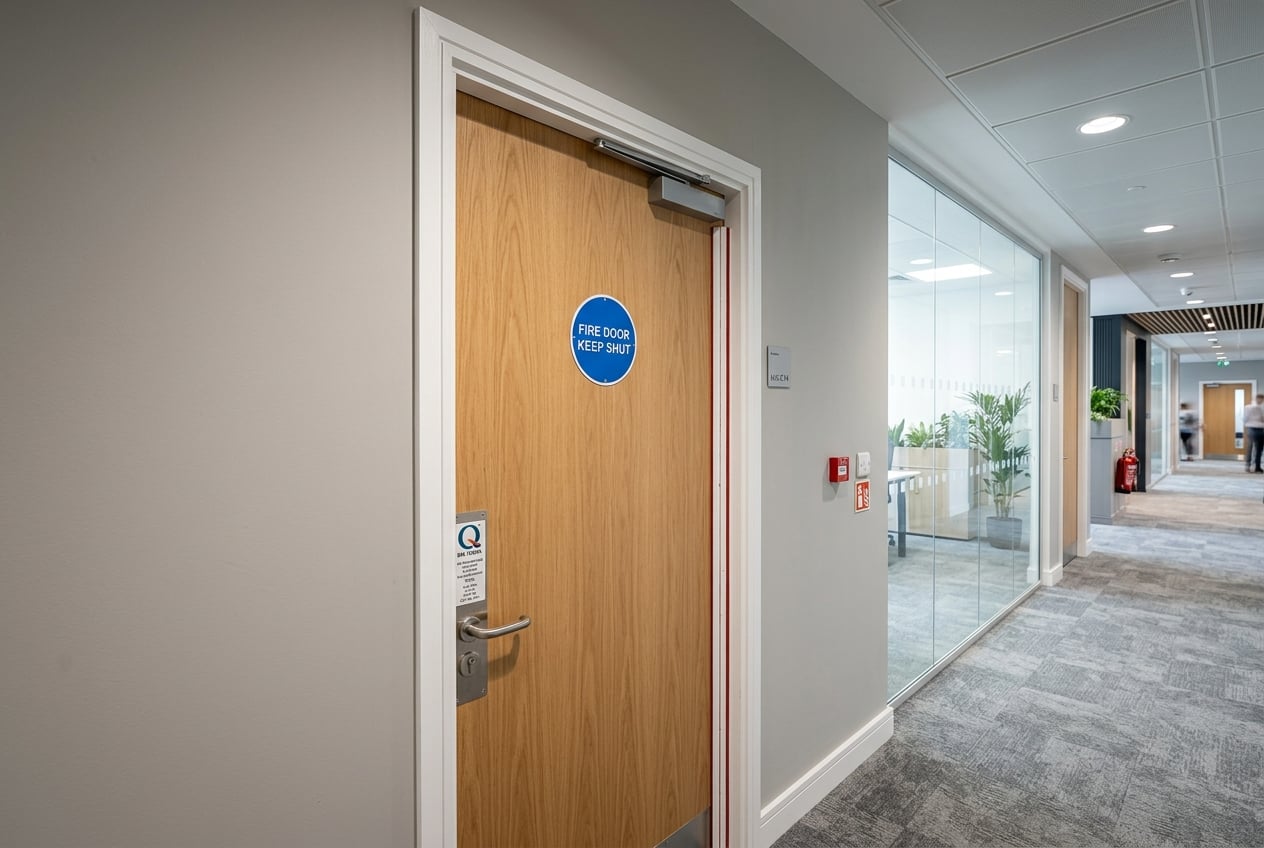
A correctly installed and maintained fire door helps slow the spread of fire and smoke, protects escape routes and supports the wider fire safety strategy for a building.

Discuss your fire door requirement

Use the form to share the building location, service required and approximate number of fire doors involved.

Request a Fire Door Survey Call Indigo Systems

Fire door guides and London support

Use these focused pages to explore specific fire door requirements before sending an enquiry.
Discuss Your Site

Ready to discuss your requirements?

Tell us about your building, programme and service needs, or call our team for practical guidance.

Service Evidence

Related project and local support pages

Use these links to move from service detail into real project examples and local coverage pages.

Project

St Martin’s NHS Hospital

Life-safety and access works delivered across a live hospital environment with carefully phased work around clinical care.

Local page

Fire Doors Essex

Fire door installation, inspection and maintenance support for commercial and residential buildings across Essex.

Local page

Fire Doors Hertfordshire

Fire door installation, inspection and maintenance for Hertfordshire buildings, contractors and facilities teams.

Local page

Fire Doors Kent

Fire door installation, inspection and maintenance for Kent buildings, contractors and facilities teams.

Local page

Fire Doors Surrey

Fire door installation, inspection and maintenance for Surrey buildings, contractors and facilities teams.

See The Difference

Non-compliant vs. certified fire door

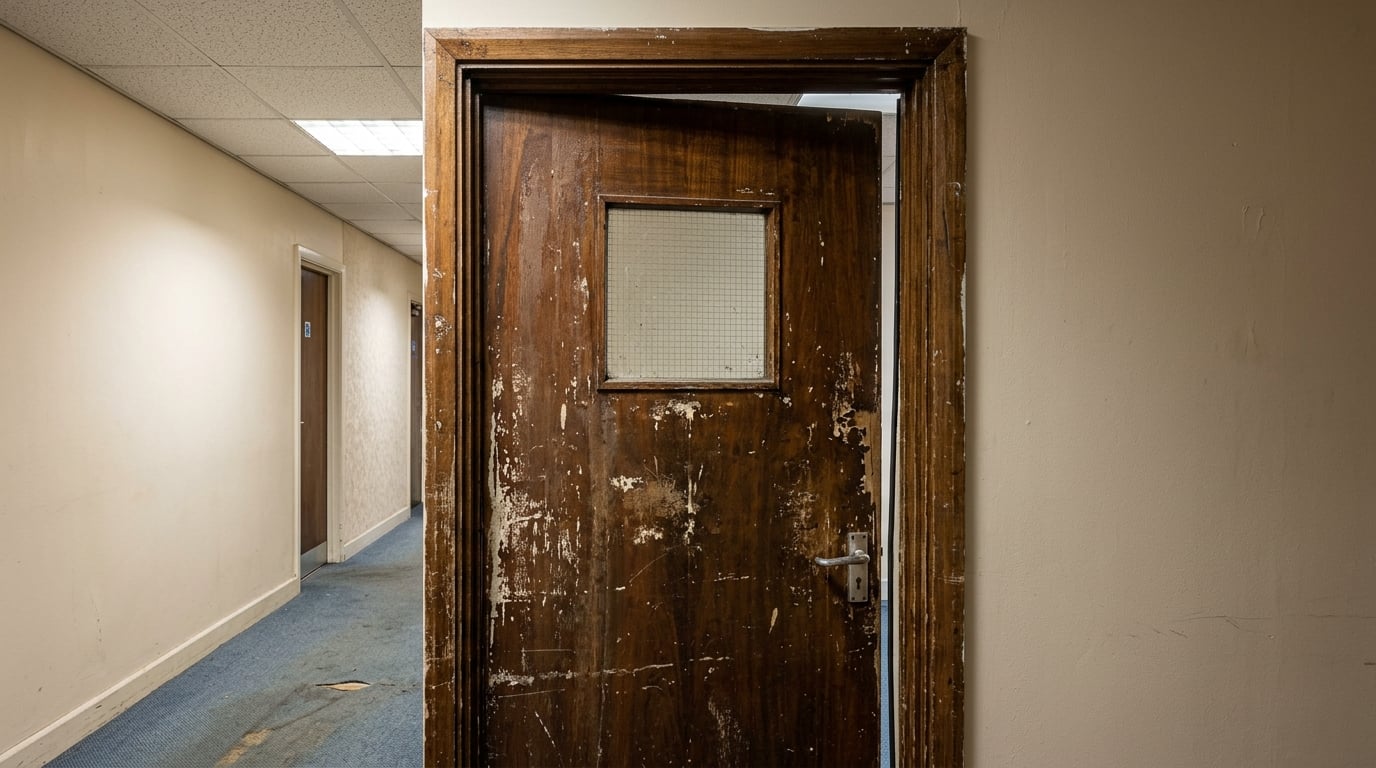
Drag to compare a failing door — gaps, missing seals, no self-closer — with a correctly specified, certified fire door installation.

Non-Compliant Certified Door Non-Compliant Certified Door

Drag the handle to reveal a correctly specified certified fire door.

Anatomy Of A Fire Door

The five things our inspectors check

Interactive diagram
01

Tap the numbered points to explore
Fire Door Enquiry

Request a Fire Door Survey

Tell us about your building, location and the fire door work required. A member of the Indigo Systems team will review your enquiry and contact you to discuss the next steps.

Call Indigo Systems 020 8681 1616

    How We Work

    Our proven process

    Site Inspection

    We assess your openings, existing doors and compliance requirements.

    Door Selection

    We specify the correct certified door sets for each location.

    Preparation

    Openings are prepared to receive the new door sets correctly.

    Installation

    Doors are installed strictly in line with BS 8214.

    Testing & Certification

    Each door is tested and certified, with a full digital report.

    Ongoing Maintenance

    We offer scheduled inspection and remedial works to keep doors compliant.

    FAQs

    Frequently asked questions

    Yes. Inspection frequency should reflect the fire risk assessment and the door's use. In blocks of flats where the top storey is above 11 metres, communal fire doors must be checked at least every three months and best endeavours used to check flat entrance doors at least every 12 months.

    Cost varies with door type, quantity and site conditions. We provide clear, itemised pricing following a site survey.

    Check that the door and frame are undamaged, the door closes fully into its frame, hinges and other hardware are secure, strips and smoke seals (if present) are intact, and the gap between the door and frame does not exceed 4 mm. The threshold gap should be as small as practicable. A simple visual check does not replace a specialist assessment.

    Yes, but decoration must follow the door manufacturer's instructions and must not damage or cover seals, certification labels or other safety-critical components.

    Flat entrance fire doors and fire doors in common parts generally need effective self-closing devices. Doors to plant rooms, service cupboards and risers may instead be kept locked shut where appropriate. The building's fire risk assessment should be followed.

    Modern fire doors commonly use intumescent strips as part of their tested specification. However, current government guidance says their absence on an older door does not automatically mean the door is unfit for purpose. Suitability must be considered through the fire risk assessment and available evidence.

    An FD30 door provides 30 minutes of fire resistance, while an FD60 provides 60 minutes — used in higher-risk areas and critical compartment boundaries.

    In blocks of flats where the top storey is above 11 metres, communal fire doors must be checked at least every three months and best endeavours used to check flat entrance doors at least every 12 months. Other inspection frequencies should follow the fire risk assessment, building use and level of wear.

    Typically in stairwells, corridors, compartment lines, plant rooms, escape routes and other high-risk zones as defined by your fire risk assessment.

    Fire doors should be installed by certified, competent professionals to ensure and evidence compliance — which is exactly what our accredited team provides.

    Ready to talk?

    Need fire door installation, survey or remedial support?

    Send the enquiry form details or call Indigo Systems to discuss the building and the work required.